Signal is an popular messaging application as an alternative of WhatsApp. It is available as Desktop application for Windows, Linux and macOS systems.
In order to your Signal desktop application, You must have signup for Signal application with your mobile number. To create new account, install Signal application on your Android or iOS device and create new account.
This tutorial help you to how to install Signal desktop on Ubuntu 20.04 LTS Linux system.
You must have Ubuntu Desktop system access with sudo privileged account.
Signal application is available as snap package for the Linux systems. The Ubuntu 20.04 systems have default Snapd install and recommended for packages installation.
Open a terminal as sudo user and type:
sudo snap install signal-desktop
This will install Signal desktop application on your Ubuntu system.
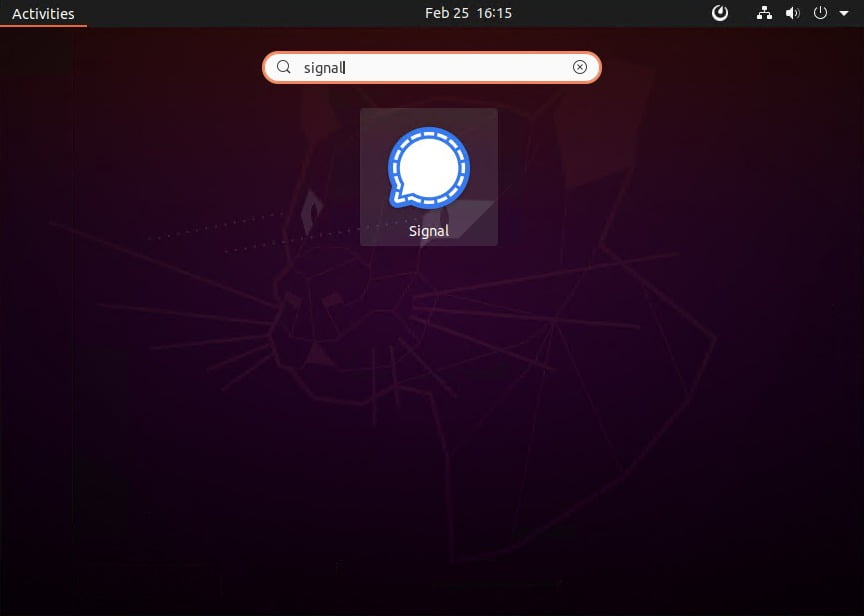
As you have installed Signal application on your Ubuntu desktop system. Search for Signal application under Activities. You will see the launch icon as below screenshot
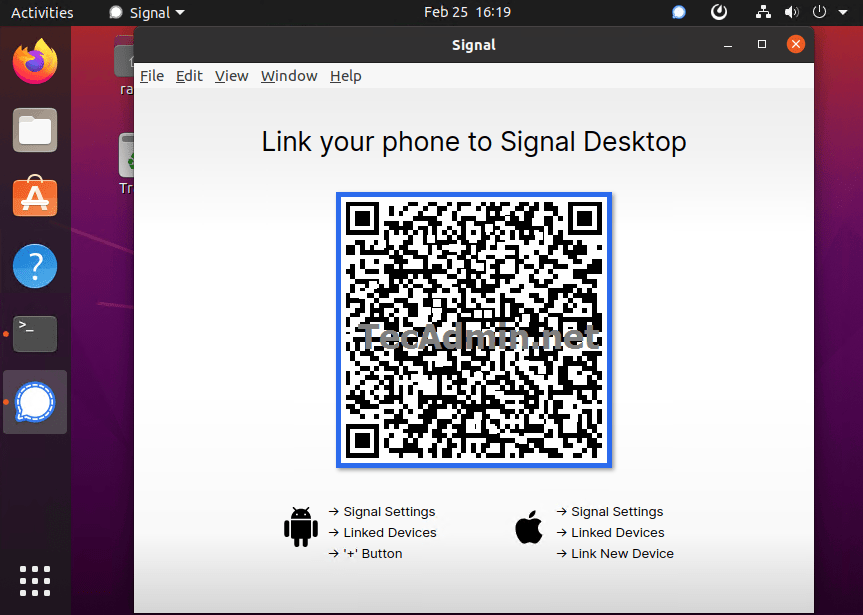
During the first start, a QR code will be displayed on application screen.
To connect application with your Signal account, scan above QR code from Signal application on your mobile. Follow below steps to connect Signal Desktop application:
That’s it. You have successfully installed Signal application on Ubuntu system. Also connected application with your Signal account.
This tutorial helped you to install Signal desktop application on Ubuntu 20.04 Linux system. Also successfully authenticated and connected to your Signal account.
The post How To Install Signal Desktop on Ubuntu 20.04 appeared first on TecAdmin.
Previously I have written about how useful public cloud storage can be when starting a…
This is Part 2 of the "Karafka to Async Journey" series. Part 1 covered WaterDrop's…
For many software teams, documentation is written after features are built and design decisions have…
With the release of the FIPS 140-3 certified cryptographic modules for Ubuntu 22.04 LTS, Canonical…
Open source libraries are repositories of code that developers can use and, depending on the…
Last year, we had the opportunity to speak at Regent’s UX Conference (Regent’s University London’s…